Indigenous Pharmacy Student Collegium
Student-founded and led community of practice within UPROOT, providing psychosocial support, peer mentorship, and professional development for self‑identified Indigenous students in the Entry‑to‑Practice PharmD program.
UPROOT Indigenous Pharmacy Student Collegium (IPSC)
Aims & Activities
The IPSC aims to provide self-identified Indigenous students in the Entry-to-Practice PharmD Program a safe place to engage with others and partake in exclusive Indigenous student-only events as well as host cultural engagement activities available to all students within the faculty.
The IPSC continues to plan expanded engagement, mentorship, and professional networking events for the upcoming academic year (2025–2026).
Safe, Supported Community: Creates a connected environment for Indigenous pharmacy students across all four years to gather, share experiences, and build a peer network.
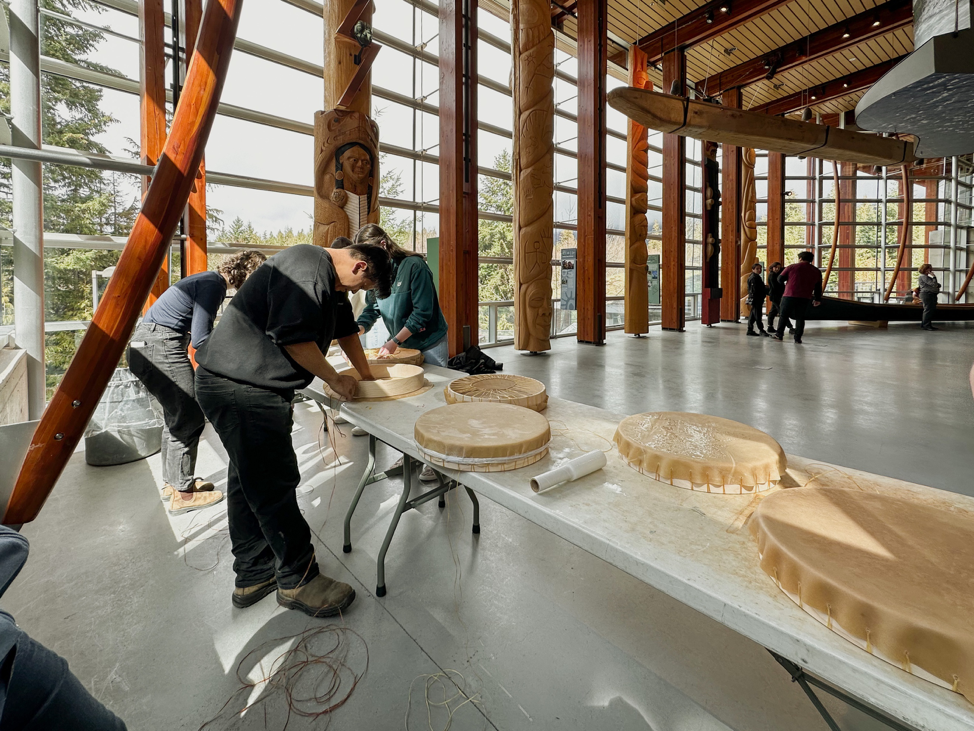
Cultural Engagement Workshops: Hosts inclusive workshops and crafting circles, such as dreamcatcher weaving and medicine-bag design, open to both Indigenous and non-Indigenous students alike.
Indigenous-Specific Student Events: Facilitates cultural activities specifically for Indigenous students including rural/remote community immersion visits, mentoring with local health centre staff, and traditional meals with Hereditary Chiefs.
Organizational Leadership & Vision: Guided by student-led executives with strategic support from UBC’s Faculty of Pharmaceutical Sciences and UPROOT.
Joining the Collegium
Open to self-identified Indigenous students enrolled in UBC’s PharmD program.
Contact us at our email below or follow us on Instagram to stay up to date with membership information and upcoming events!


Indigenous Student Space
The Indigenous Student Space is a dedicated and welcoming environment in the Faculty of Pharmaceutical Sciences building, designed to support the well-being and success of Indigenous students. The Indigenous Student Space was created as part of the UPROOT Team’s Indigenous Student Supports initiatives, led by faculty members Larry Leung and Jason Min, alongside Indigenous Strategic Initiatives Manager Nadine Duke, in collaboration with Faculty Senior Leadership. This space has been part of a broader vision for supporting Indigenous student safety in the faculty for over 5 years.
In addition to this Faculty-specific Indigenous space, a variety of other Indigenous-specific spaces across campus provide opportunities for students to connect, access support, build community, and engage in learning.
Purpose & Location
The Indigenous Student Space fosters community, cultural connection, and learning. The space is located in Room 3116 on the third floor of the UBC Pharmaceutical Sciences Building at 2405 Wesbrook Mall, Vancouver, BC.
The space is reserved for Indigenous students and is used for:
- Individual and group study
- Cultural activities and gatherings internally and with external partners
- Regular meetings of the Indigenous Pharmacy Student Collegium (IPSC)
- Indigenous-led teaching sessions during the summer term (May to August)
The Indigenous Student Space officially opened on October 27, 2025, with community partners, faculty, staff, and students coming together to mark this important milestone in supporting Indigenous student success. The opening featured guest remarks, student poster presentations, guided tours of the space, and an introduction to the artwork displayed in the space.
Using the Space
September to April (Winter terms):
- During the winter terms, the space is prioritized exclusively for Indigenous students to use for learning, studying, and cultural activities.
- To preserve the space as a student-centered environment, Indigenous-led teaching sessions will not be scheduled during this period, ensuring that students have uninterrupted access for their personal and academic needs.
May to August (Summer terms):
- Indigenous-related teaching sessions for Indigenous and non-Indigenous student learners may be planned during the summer months when student demand for the space is expected to be lower. These teaching sessions will be reviewed by the ISI Manager on a case-by-case basis.
- These sessions must meet the following criteria:
- be led by an Indigenous facilitator/instructor (Elders/Knowledge Keepers/Community Partners)
- be pre-booked in advance with the ISI Manager
Accessing the Space
For students:
- If you would like to use the Indigenous Student Space, please contact Nadine Duke, Indigenous Strategic Initiatives Manager, at nadine.duke@ubc.ca to confirm eligibility and have your student ID programmed for access. Students who remain enrolled may keep access over the summer (e.g. graduating students will lose access upon completion of the program).
For faculty and staff:
- Access to the space is reserved for self-identified Indigenous students enrolled in the Faculty of Pharmaceutical Sciences. Faculty and staff who wish to visit or arrange a tour are required to receive approval and pre-book through the ISI Manager. Such visits can be planned during the summer term only, to ensure they do not interrupt the main purpose of the space.



IPSC Logo & Cultural Significance

Design and Meaning
The Indigenous Pharmacy Student Collegium (IPSC) logo is created by designer Debra Sparrow—a Musqueam Coast Salish artist. The logo is an amalgamation of traditional Indigenous concepts and contemporary design components.
The IPSC logo is inspired by the original UPROOT logo, drawing from traditional regalia used in healing ceremonies. This logo concentrates on the importance of people and community and focuses on the circular spindle whirl, which represents continuous collaboration and learning.
The Artist
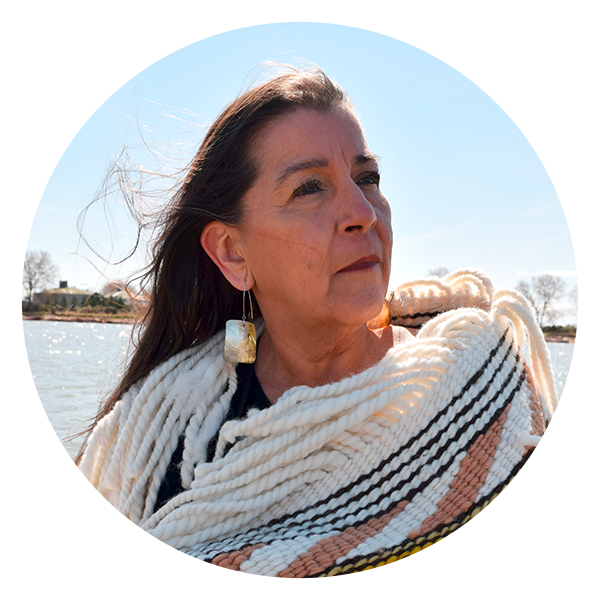
Debra Sparrow, born and raised on the Musqueam Indian Village, is a visual artist, graphic designer, knowledge keeper, and leading figure in the revival of Musqueam Coast Salish weaving.
Sparrow creates art that embodies traditional Musqueam teachings while embracing innovative and contemporary design. Her hope is to educate others about the depths and integrity of Musqueam history through her artwork, activism, and public speaking.